Dallas Oregon Real Estate Lifestyle: Is It Right?
May 28, 2026
May 28, 2026
Thinking about a move to a smaller town without feeling cut off from the rest of the Mid-Valley? Dallas, Oregon, often catches buyers’ attention for exactly that reason. If you are wondering whether it offers the right mix of home styles, everyday convenience, and community feel for your next move, this guide will help you weigh the pros and decide what fits your lifestyle. Let’s dive in.
Dallas is the county seat of Polk County, and it offers a setting that blends small-town character with practical regional access. Polk County’s economy includes agriculture, forest products, manufacturing, electronics, and education, which helps explain why Dallas still feels connected to both town life and the rural landscape around it.
For many buyers, that balance is the appeal. You can enjoy a more grounded pace of life while still staying connected to nearby Mid-Valley communities. If you want a home base that feels less dense and more local, Dallas is worth a closer look.
Dallas describes itself as a welcoming, safe, and livable mid-Willamette Valley community with a small-town feel. Around town, you will find a town square, a revitalized historic downtown, business districts, parks, a senior center, a library, and community events that support daily life.
That does not mean every part of Dallas feels the same. Some areas lean more residential and quiet, while the downtown core offers a more defined town-center atmosphere. If you value a place where local identity is visible, Dallas has a strong sense of place.
One of the clearest reasons buyers are drawn to Dallas is its historic downtown. In May 2024, the downtown historic district was designated by the National Park Service, and the city notes that Dallas has 26 local landmarks and two properties on the National Register of Historic Places.
That historic character is not sitting still. The city’s downtown urban renewal goals include pedestrian improvements, mixed-use development, upper-story rehabilitation, and design that respects historic character. For you as a buyer, that suggests an active effort to keep downtown functional, attractive, and relevant over time.
A defined downtown can shape how a town feels long after move-in day. It gives you a recognizable center for errands, community events, and everyday outings. In Dallas, that core helps create a sense of continuity that many buyers find hard to replicate in more spread-out suburbs.
If you like towns with visible history and an evolving main-street environment, Dallas offers that experience. It can feel especially appealing if you want charm without giving up basic convenience.
Dallas also stands out for its park system. The city maintains a long list of parks, and Dallas City Park alone covers 35 acres with a creek, an 18-hole disc golf course, a Japanese garden, and the Delbert Hunter Arboretum.
The city says its parks and picnic facilities draw more than 50,000 visits each year. That level of use says something important. Outdoor space is not just an extra here. It is part of how many people enjoy the community.
If you want easy access to green space, Dallas has a strong everyday advantage. Parks can support a wide range of routines, from morning walks to weekend gatherings and casual time outside. For buyers comparing towns in the Mid-Valley, that kind of built-in recreation matters.
This is especially helpful if you want a home search that looks beyond square footage alone. In Dallas, the surrounding environment may be part of what makes a property feel like the right fit.
Dallas is still a largely home-oriented market. According to the city’s housing needs analysis, single-family detached homes make up more than two-thirds of the existing housing stock.
Other housing types are present, but in smaller shares. Townhomes and plexes make up about 15% of the inventory, while multifamily apartments and condos account for about 11%. Mobile homes and other housing types make up the remainder.
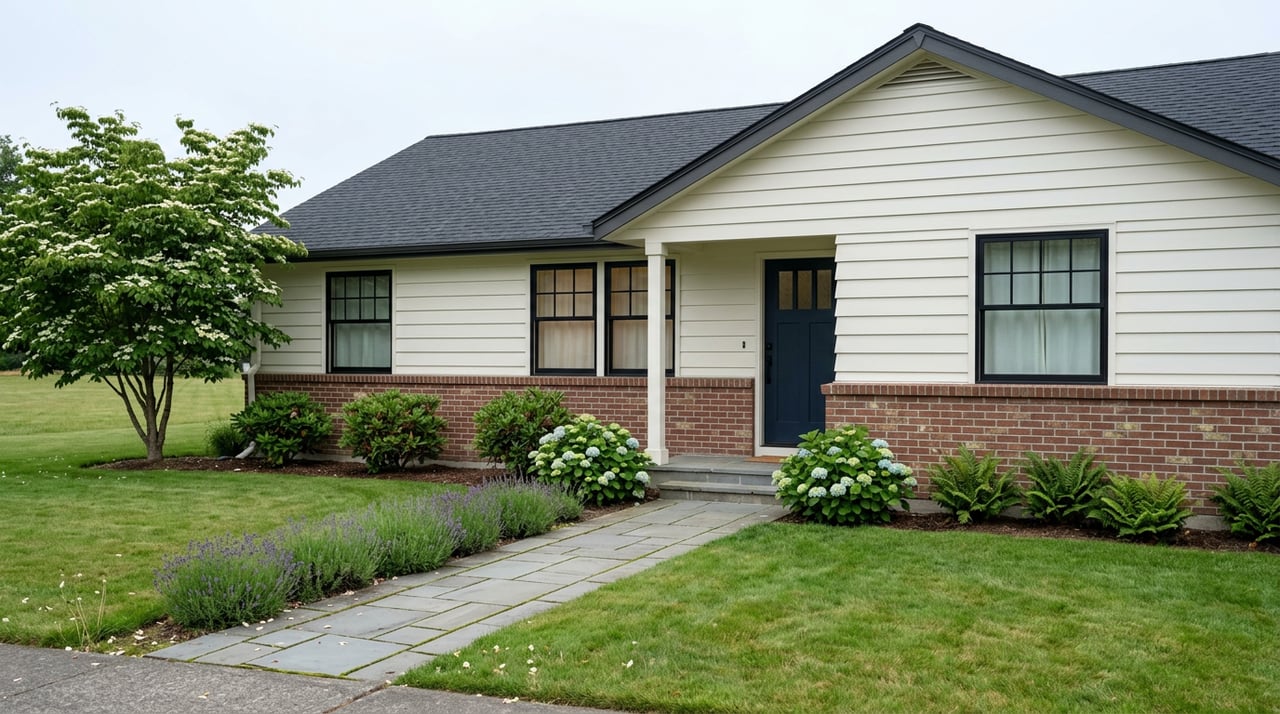
If your goal is a detached home with a bit more breathing room, Dallas may line up well with your search. The housing mix suggests a lower-density environment where traditional single-family homes still dominate.
At the same time, there is some flexibility if you are looking for a different format. Townhomes, plexes, apartments, condos, and manufactured housing are all part of the local mix, even if they represent a smaller share of the market.
The same housing analysis notes that many homes in Dallas were built in the post-World War II era, especially from 1950 to 1970. That gives you some clues about what you may find as you tour properties.
In practical terms, you may see homes with more established lots, mature landscaping, and layouts that reflect the era in which they were built. Depending on the property, you may also want to pay close attention to updates, maintenance, and how the home has been improved over time.
Dallas is not only about older housing stock. The city’s analysis identifies future attainable housing types such as small-lot cottage homes, townhomes, plexes, manufactured home parks, and apartments.
That matters if you are hoping for more price points or housing styles over time. It also suggests Dallas is planning for growth in a way that adds options rather than relying on only one type of housing.
No town is perfect for every buyer, and Dallas is no exception. Based on its small-town feel, park network, historic core, and transit pattern, Dallas may be especially appealing if you want a quieter home base with a clear local identity.
It may also work well if you are a remote worker or someone who does not need frequent late-night or weekend transit. Buyers who value a slower pace, access to parks, and a recognizable downtown often find Dallas appealing for those exact reasons.
Dallas does have regional transit connections. Cherriots Regional links Dallas to Salem through Routes 40X and 50X, and to Monmouth and Independence through Route 45.
However, service is not equally flexible across all routes. Route 45 and Route 50X operate Monday through Friday only, which makes Dallas more workable for planned commuting than for buyers who rely on frequent evening or weekend public transit.
Before you decide whether Dallas is right for your next home, it helps to think beyond the listing itself. A town can look great on paper and still not match the way you live day to day.
Here are a few practical questions to ask yourself:
Your answers can quickly clarify whether Dallas feels like a strong match or just an interesting option.
Dallas offers a mix that many Mid-Valley buyers are actively looking for: small-town character, a historic downtown, meaningful park access, and a housing stock centered on detached homes. It also maintains regional ties that can support commuting and daily connection to nearby communities.
If you want a place with a more relaxed pace and a clear sense of identity, Dallas deserves a spot on your list. The best way to know for sure is to compare your lifestyle, budget, and housing priorities against what the community actually offers.
If you are weighing Dallas against Salem, Keizer, or other nearby Mid-Valley areas, working with a local advisor can help you narrow your options with more confidence. When you are ready to talk through your next move, connect with Jenny Morrow.
Stay up to date on the latest real estate trends.

Jenny believes great results begin with understanding each client’s goals. She provides thoughtful guidance and strategic support throughout every step of the process. Clients trust her to deliver an experience that is both smooth and successful.