Guide To Owning A Home In Pacific City, Oregon
July 9, 2026
July 9, 2026
Dreaming about a home near the Oregon coast? Pacific City offers a very specific kind of ownership experience, with dramatic shoreline scenery, a strong seasonal rhythm, and a housing market that looks different from many inland communities. If you are thinking about buying here, it helps to understand not just home prices, but also land use, weather exposure, rental rules, and the realities of owning in a small coastal market. Let’s dive in.
Pacific City is an unincorporated community in south Tillamook County, which means local planning is guided through Tillamook County rather than a city government. The county maintains a Pacific City/Woods community plan and transportation plan, first adopted in 1999 and later amended in 2019.
That planning context matters because Pacific City is not just a beach town with one type of property. It is a mixed land-use coastal community with residential, commercial, park, rural residential, and airpark areas. If you are shopping here, one street or zone can feel very different from the next.
Pacific City is also small. Census Reporter lists about 1,303 residents across 3.7 square miles, with a median age of 60.4.
The housing profile helps explain the area’s character. Census-based data shows 1,284 housing units, with 56% listed as vacant and about 90% made up of single-unit structures. In a coastal community like this, that vacancy figure does not automatically mean weakness, since the Census Bureau separates seasonal or occasional-use homes from other vacant units.
Pacific City has long been shaped by tourism and second-home ownership. Tillamook County’s community plan describes the area as having evolved from a fishing and farming community into a summer-home and tourist community.
The plan also notes that second homes made up about 60% of development at that time. That history still helps explain why the area often appeals to buyers looking for a lifestyle property, vacation home, or part-time coastal retreat.
For you as a buyer, this means expectations should be a little different. Some homes may be used year-round, while others may be occupied seasonally, held as second homes, or considered for short-term rental use where allowed.
Pacific City is often associated with beach cottages and view homes, but the housing picture is broader than that. The county plan identifies several zoning categories that support different residential types.
Low-density residential zones are geared toward single-family dwellings. Medium-density zones can allow one- and two-family dwellings, while high-density zones can allow one- to four-family dwellings.
That variety means your search should focus on the property’s specific location, zoning, and intended use, not just the general Pacific City name. Two homes at a similar price point may come with very different ownership possibilities.
Pacific City is a relatively expensive, low-volume market. Redfin reported a three-month median sale price of $794,525 through May 2026, with a median of 42 days to sell and 11 homes sold in May.
Realtor.com reported a May 2026 median listing price of $725,000, a 100% sale-to-list ratio, 59 median days on market, and 98 homes for sale, while labeling the market a buyer’s market. The numbers are not identical, but they point in a similar direction.
The big takeaway is that pricing, condition, and timing matter. In a small market with limited sales activity, monthly numbers can move around quickly, so it is smarter to treat them as directional signals rather than exact trend lines.
Pacific City’s housing base is only 1,284 units, and recent sales counts are small. That means even a handful of transactions can shift the market stats in a noticeable way.
If you are buying or selling here, broad averages only tell part of the story. A home’s view, distance to the beach, exposure to weather, maintenance level, and possible rental status can all affect value in ways that a headline number cannot fully capture.
This is one reason a property-by-property approach matters so much in Pacific City. The market may be small, but the differences between homes can be significant.
For many buyers, Pacific City is about more than square footage. It is about the setting and the pace of life.
Cape Kiwanda State Natural Area is one of the community’s defining features. Oregon State Parks says the headland frames the beach and is known for kite flying and watching the dory boats.
Bob Straub State Park adds more beach access, along with parking and restrooms. Nestucca Bay National Wildlife Refuge offers hiking, birding, panoramic ocean views, and protected habitat for a wide range of wildlife.
Pacific City also has a deep fishing tradition. The Pacific City Dorymen’s Association says dory fishing at Cape Kiwanda is a century-old tradition, with more than 300 vessels calling Pacific City home port.
All of that shapes the ownership experience. If you want a coastal home tied to outdoor recreation, scenery, and a strong sense of place, Pacific City has a lot to offer.
Owning near the coast also means planning for the climate, not just enjoying it. Oregon’s marine climate brings mild, wet winters west of the Cascades, and coastal areas receive much of their precipitation from October through March.
That pattern affects how homes age and how you care for them. Moisture management is not an occasional issue here. It is part of routine homeownership.
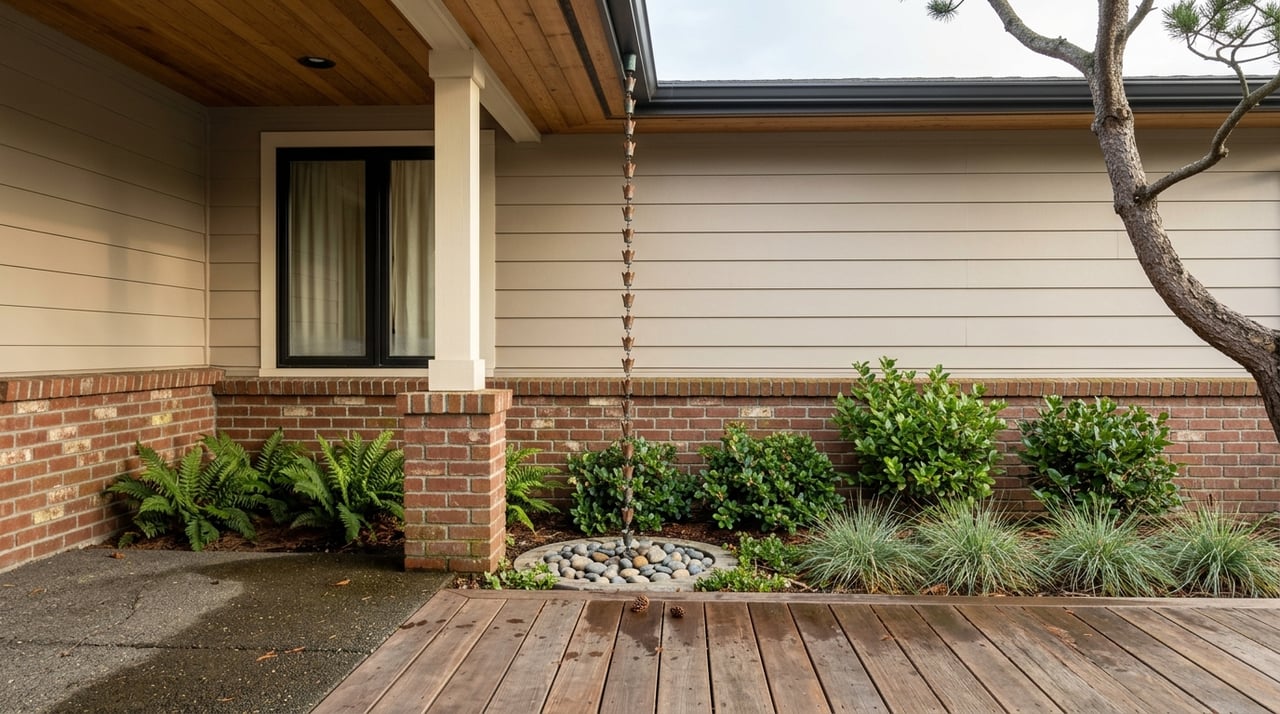
If you are comparing homes, look closely at how each property appears to handle weather exposure. A well-maintained exterior and strong attention to drainage and ventilation can make a meaningful difference over time.
For homes near the shore, salt spray and moisture are major ownership factors. FEMA states that salt spray and moisture in coastal areas can accelerate corrosion and decay of building materials, especially near breaking waves and onshore winds.
In practical terms, that means you may want to pay extra attention to:
These details may not be as top-of-mind in an inland market, but they are important in Pacific City. A beautiful coastal home should also be a home that is ready for coastal conditions.
Natural hazard awareness is part of buying smart on the Oregon coast. DOGAMI notes that the Oregon coast has experienced repeated periods of major erosion, including shoreline retreat that can affect homes built atop dunes.
DOGAMI also says low-lying areas can flood during major storms. In addition, a distant tsunami can take four or more hours to reach Oregon, which allows time for warning and evacuation if needed.
Tillamook County maintains a Pacific City/Woods tsunami hazard overlay zone. If you are considering a property in Pacific City, hazard overlays and site location should be reviewed early in the process so you understand the property’s context before making a decision.
Some buyers are drawn to Pacific City because they hope to offset ownership costs with vacation-rental income. If that is part of your plan, it is important to verify the property’s status and local rules before you buy.
Tillamook County maintains a short-term rental licensing framework for the Pacific City/Woods area, including registry and waitlist resources. That means rental use is not something to assume based on a listing description or a property’s past use.
Instead, check it early as part of your search. If short-term rental potential matters to you, that question should be part of your initial screening, not an afterthought after closing.
Pacific City tends to appeal to buyers who want a coastal lifestyle and feel comfortable with seasonality, weather exposure, and a market that mixes primary homes with second homes. For the right buyer, that combination is part of the appeal.
You may be a good fit for Pacific City if you are looking for:
The key is going in with clear expectations. Pacific City can be rewarding, but it is best suited to buyers who understand both the charm and the practical realities.
If Pacific City is on your list, a little extra preparation can help you buy with confidence. In a market like this, details matter.
Start with a focused plan:
Buying in Pacific City is not only about finding a home you love. It is also about choosing a property that fits your goals, budget, and comfort level with coastal ownership.
If you are considering a move or lifestyle purchase in Oregon and want practical guidance from a trusted local advisor, Jenny Morrow is here to help.
Stay up to date on the latest real estate trends.
Jenny believes great results begin with understanding each client’s goals. She provides thoughtful guidance and strategic support throughout every step of the process. Clients trust her to deliver an experience that is both smooth and successful.