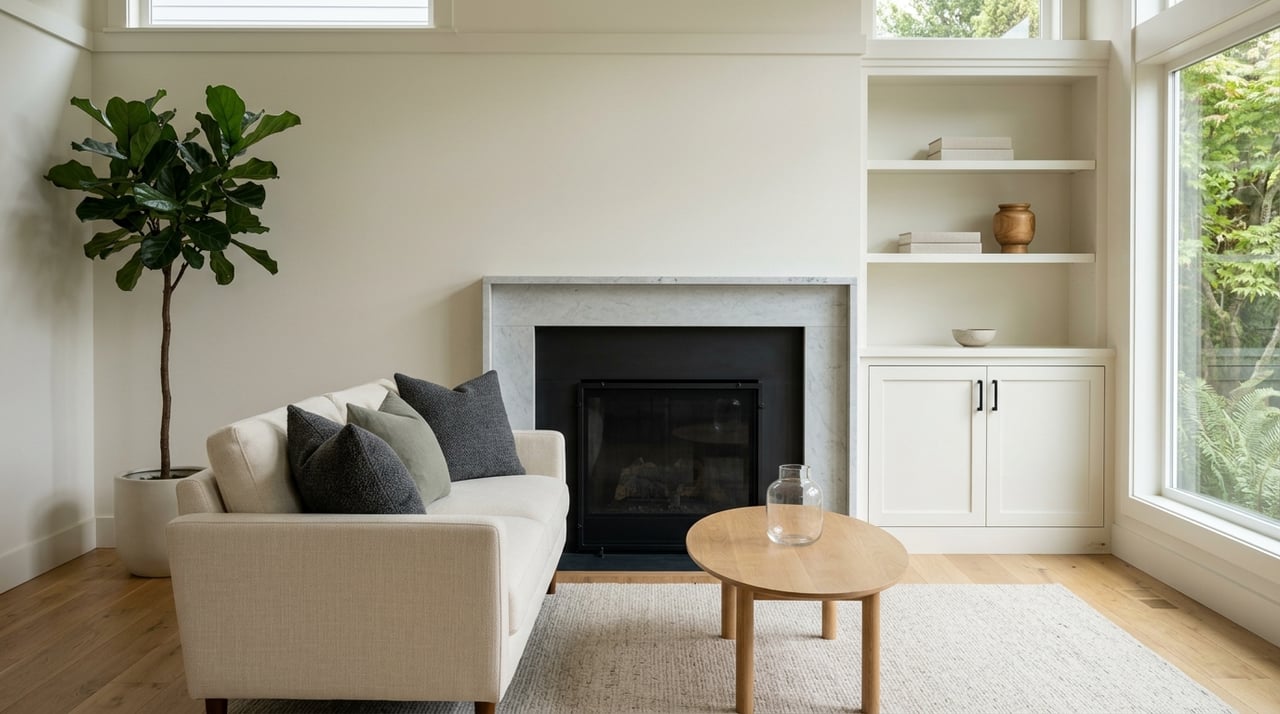
How to Prepare Your Salem Home for Sale in 90 Days
May 7, 2026
May 7, 2026
If you want your Salem home to stand out, waiting until the last minute can cost you. In a market where homes may go pending in a matter of weeks but price drops still happen, buyers are paying close attention to condition, presentation, and value. A smart 90-day plan helps you avoid rushed decisions, focus on the updates that matter most, and get your home ready with less stress. Let’s dive in.
Salem remains a workable seller market, but it is not so overheated that every home sells quickly regardless of condition. Recent market data shows a somewhat competitive environment, with a sale-to-list ratio of 98.6% and nearly 30% of homes seeing price drops. That means your prep work can play a real role in how buyers respond.
The local price range also matters. With typical home values in Salem sitting in the mid-$400,000s, many sellers can get the best return from thoughtful, lower-cost improvements instead of major remodels. Clean presentation, light repairs, strong photos, and strategic staging often go farther than taking on a big renovation project right before listing.
Salem also has a wide mix of housing types. Whether you are preparing a single-family home, condo, townhome, downsizing property, or manufactured home, the goal is the same: make the home feel clean, cared for, and easy for buyers to picture as their own.
This is your planning phase. The earlier you start, the more options you have and the less likely you are to feel rushed when photos, showings, and paperwork begin.
Start by removing anything you do not use regularly. Focus on closets, counters, bookshelves, storage areas, and the garage so your home feels more open and functional.
Pack away personal items, extra furniture, and off-season belongings. If needed, rent a small storage unit or ask family for temporary storage space. A good rule of thumb is to make closets look about half full instead of tightly packed.
Oregon sellers should not treat paperwork as a last-minute task. The listing file should include a completed and signed Seller's Property Disclosure Statement, proof of ownership or signing authority, and basic building and lot information.
Pricing documentation is also part of a complete listing file. Getting organized now can help your sale move more smoothly later, especially once you are balancing showings, offers, and moving plans.
A pre-list inspection is optional, but it can be helpful if your home is older, has deferred maintenance, or has had moisture-related concerns. It gives you a chance to learn about issues before a buyer finds them during escrow.
This can be especially useful in Salem, where regular rainfall makes roof condition, gutters, downspouts, drainage, moss, and damp areas worth extra attention. You may decide to fix certain items, disclose them clearly, or price with those conditions in mind.
Now it is time to shift from planning to action. This is usually the best window for repairs, cosmetic improvements, and anything that helps your home show better in person and in photos.
You do not need to overhaul your entire house. Focus first on the issues that buyers tend to see quickly or bring up during inspections.
That can include:
These may seem small, but together they affect how well your home is maintained. Buyers often notice the little signs first.
In Salem, exterior maintenance deserves special attention. Check the roof for visible wear, clear gutters and downspouts, trim back vegetation, and make sure water drains away from the home.
If you have moss growth, damp crawlspace areas, or staining near exterior walls, this is the time to evaluate those issues. You do not need to create perfection, but you do want to show that the home has been cared for in a practical way.
Good listing photos start with simple, visible improvements. Clean the windows, carpets, lighting fixtures, and walls. Refresh the front entry and tidy the landscaping so the first impression feels inviting.
For many Salem sellers, this step delivers one of the best returns on effort. Buyers often see your home online before they ever step through the front door, so clean, bright, uncluttered spaces matter.
If you chose a pre-list inspection, use this time to work through the report. Get estimates for any recommended repairs and decide which items make sense to fix before going live.
A typical inspection may review the structure, roof, exterior, plumbing, electrical, heating and air conditioning, interiors, insulation or ventilation, and fireplaces. You do not have to repair everything, but you should understand what is likely to come up.
This is the stage where your home starts to feel market-ready. Once repairs and decluttering are mostly done, you can focus on presentation.
You do not need to stage every square foot. The biggest impact usually comes from the living room, primary bedroom, and kitchen.
Staging helps buyers picture how the space can function and feel. That matters because most buyers begin online, and agents report that staging makes it easier for buyers to visualize a home as their future home.
The goal is not to decorate for someone else's taste. It is to highlight space, light, flow, and function.
Try to:
This approach works across many Salem property types, from smaller condos to larger detached homes and manufactured homes. Practical staging almost always outperforms overly personalized styling.
Professional photography should happen only after the home is decluttered, cleaned, repaired, and staged. If photos are taken too early, they may capture distractions that weaken your listing.
This is one area where patience pays off. Strong photos are among the most important marketing assets for your sale, and they often shape whether a buyer decides to schedule a showing.
As you get close to launch, your focus shifts to consistency. The home should feel ready not just for photos, but for real buyer traffic.
Deep clean the entire home from top to bottom. Pay extra attention to kitchens, bathrooms, floors, windows, baseboards, and entry areas.
Remove personal photos and sensitive items, then set out fresh bedding and towels. Make sure the entry, kitchen, living room, and primary bedroom are fully photo-ready and easy to maintain between showings.
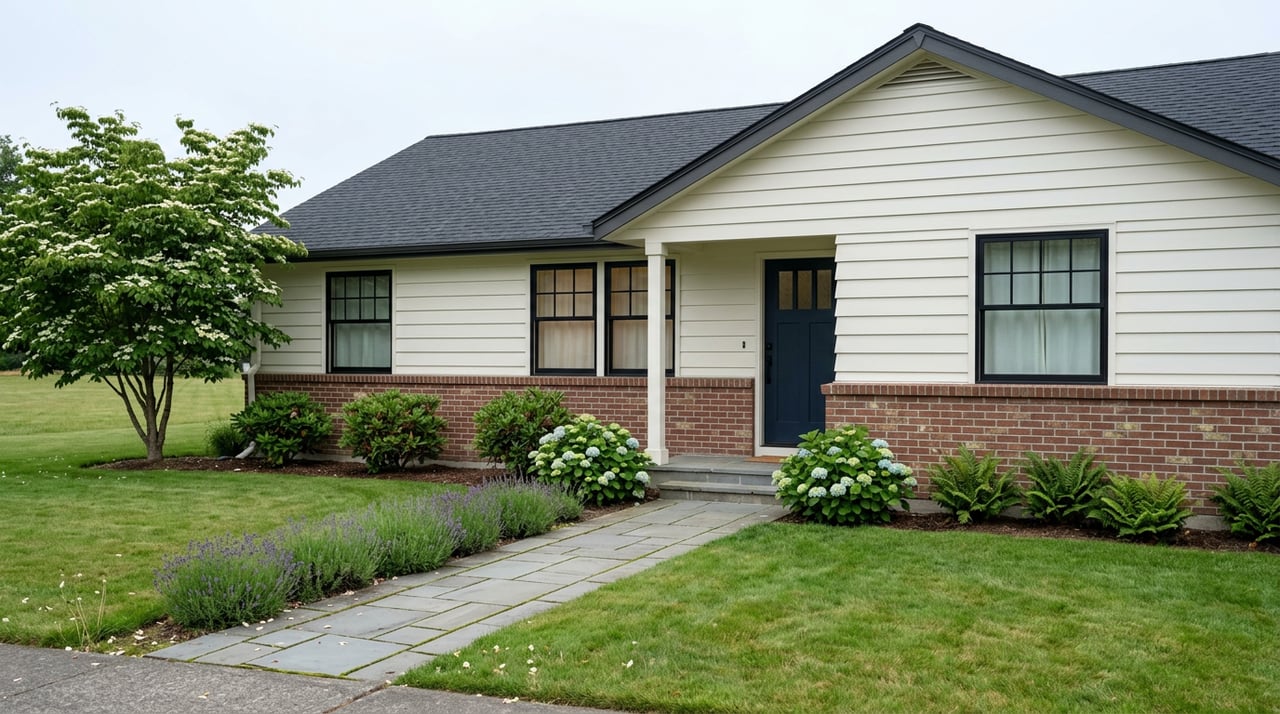
First impressions still matter, even when buyers start online. Freshen the front door area, add a clean doormat, trim plants, and make sure the approach to the home feels neat and welcoming.
If your budget is limited, keep this simple. A tidy yard, swept walkway, clean porch, and a few well-placed plants can do a lot.
Before your home goes live, gather the documents a future buyer may appreciate having. This can include appliance manuals, system warranties, and service records for items that will stay with the home.
Doing this now saves time later. It also supports a smoother handoff once you are under contract.
In Oregon, the Seller's Property Disclosure Statement is an important part of the process. Buyers generally have a five-business-day revocation period after the disclosure is delivered unless they waive that right before or at the sale agreement stage.
If your home was built before 1978, lead-based paint disclosure requirements may also apply. This is another reason it helps to start early and stay organized.
If you are preparing to sell in Salem, it helps to think in terms of clarity instead of perfection. Buyers are not expecting every home to feel brand new, but they do respond to homes that feel clean, maintained, and thoughtfully presented.
In this market, the best prep plan is usually the one that protects value without overspending. Strategic repairs, strong staging, smart documentation, and polished presentation can help your home compete more effectively and reduce avoidable surprises once offers come in.
When you want a clear plan tailored to your home, timing, and budget, Jenny Morrow offers hands-on guidance, staging support, and local Salem expertise to help you prepare with confidence.
Stay up to date on the latest real estate trends.






Jenny believes great results begin with understanding each client’s goals. She provides thoughtful guidance and strategic support throughout every step of the process. Clients trust her to deliver an experience that is both smooth and successful.